
A pain prescription after surgery or an injury, and a glass of wine or a few beers at the end of the day: for many people the two meet without anyone stopping to think. They should not. Alcohol and opioids both slow breathing, and together the effect can be far stronger than either one alone. Here is what the CDC, NIDA and the buprenorphine Medication Guide say, and what to do if mixing has become a pattern.
Why the combination is dangerous
The CDC says the effects of drinking while using other drugs may be stronger and more deadly than using either one alone. It warns that drinking at the same time as, or within a few hours of, using drugs such as opioids or benzodiazepines can cause serious harm, because the combination can make breathing hard, which can damage the brain and other organs. The CDC also says drinking while using opioids raises the risk of overdose and death.
A prescription does not make the mix safe
NIDA says prescription opioids are generally safe when taken for a short time and as prescribed. Alcohol changes that picture. If you take any medicine and are thinking about drinking, the CDC says to talk with a health care provider or a pharmacist first. The CDC's plain advice is not to drink alcohol when using other drugs, and to avoid misusing prescription drugs.
The same rule applies to treatment medicine
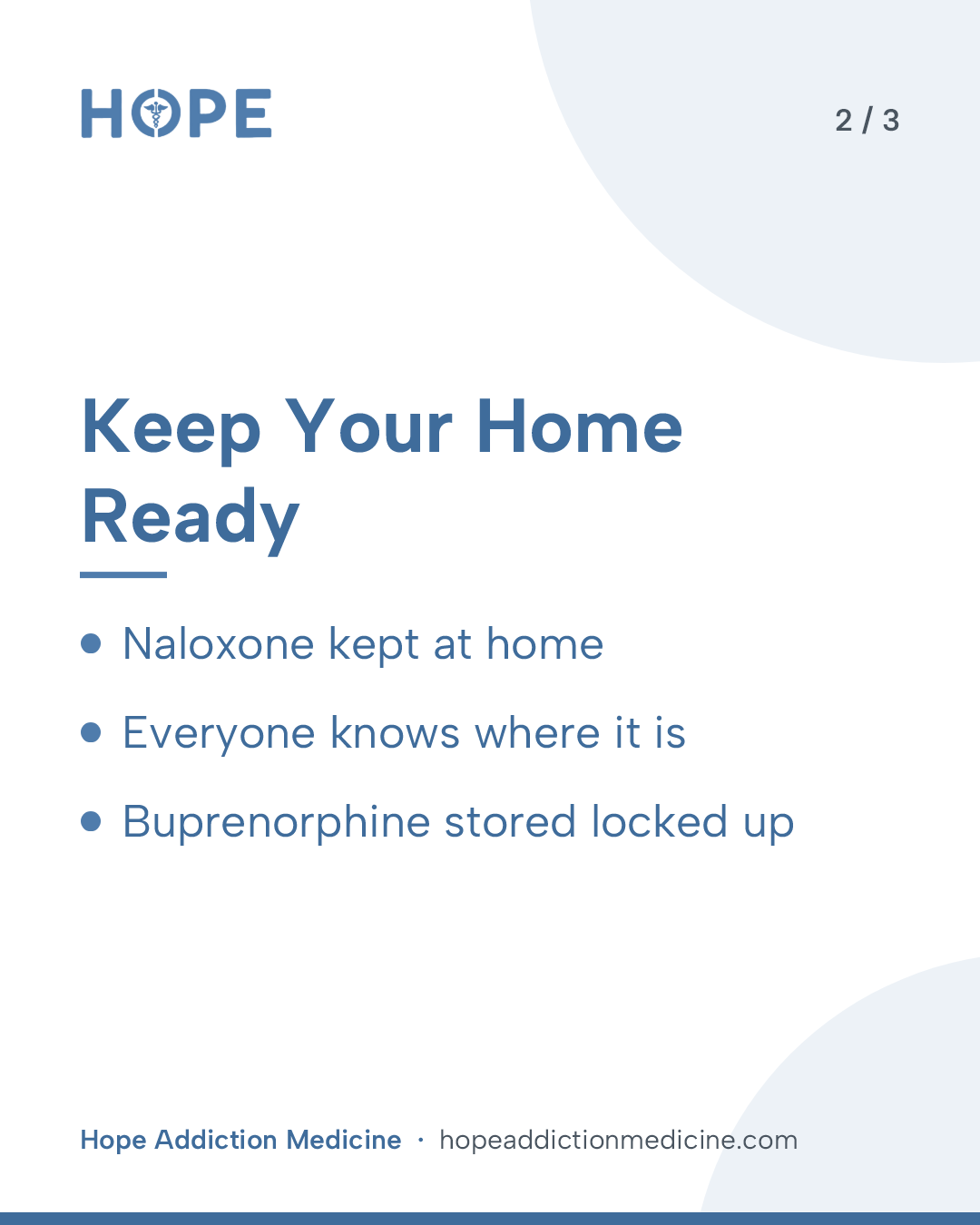
The Medication Guide for buprenorphine and naloxone film tells patients not to drink alcohol while taking it, because the combination can lead to loss of consciousness or even death. Because buprenorphine only partly activates opioid receptors, it has a ceiling on its effect on breathing and is safer than full opioids. It can still cause dangerous or fatal breathing problems when combined with alcohol, benzodiazepines or other sedatives, or when taken by someone who does not use opioids, including children. Store it locked up and keep naloxone at home. Read why alcohol and sedatives do not mix with buprenorphine.
Warning signs to act on
Get help right away if someone who has been drinking and taking an opioid is unusually sleepy, confused or hard to wake, has slurred speech, or is breathing slowly. If someone may be overdosing (they will not wake up, their breathing is slow or stopped, or their lips are blue), call 911 and give naloxone (Narcan) if you have it. Naloxone is sold without a prescription. If you are thinking about suicide, call or text 988. Stay with the person until help arrives.
Ready to Start Treatment?
Confidential, evidence-based care in West Ashley. Call to ask about the next available new-patient appointment.
5 cards. Swipe or tap to see the next one.
When mixing has become a pattern
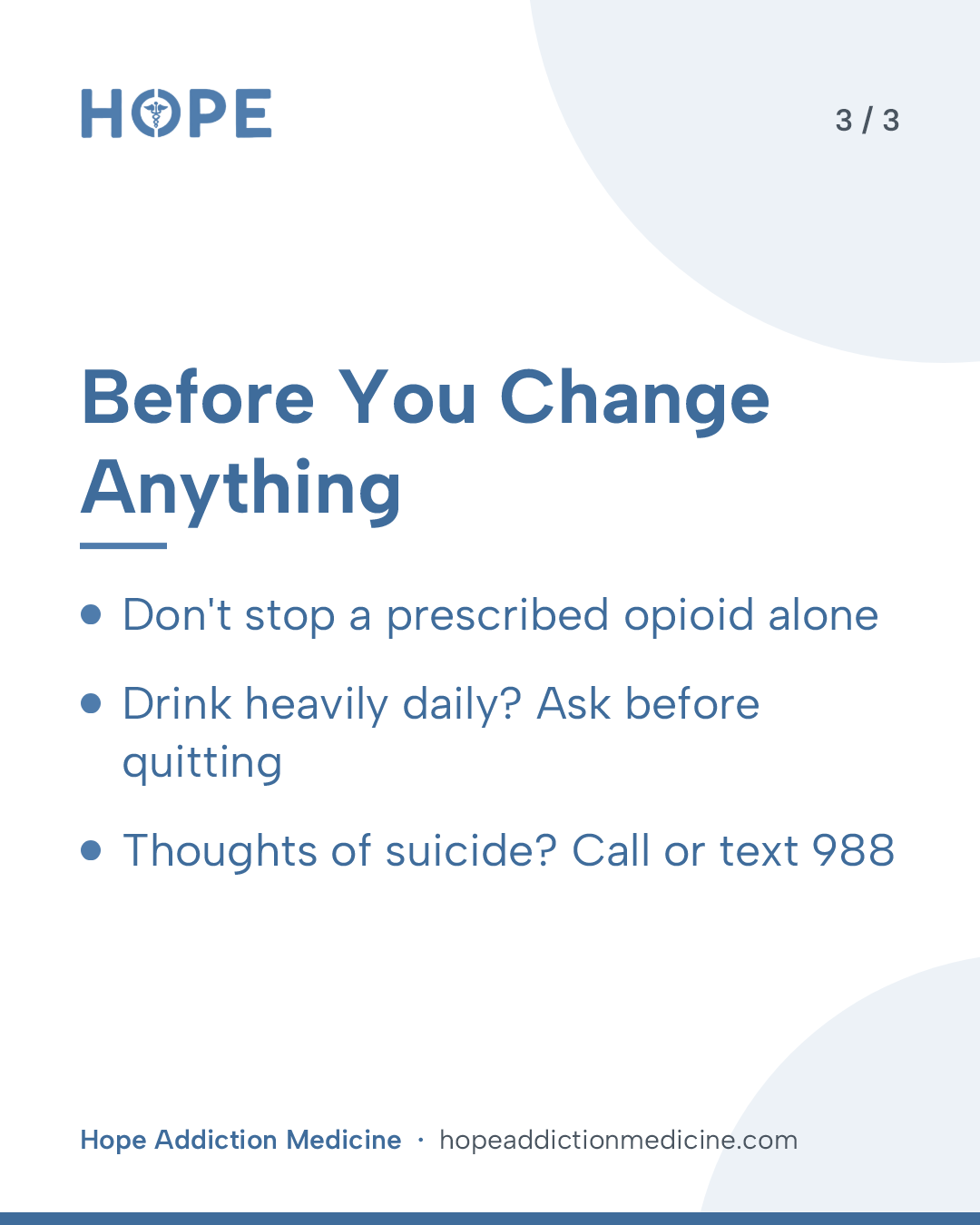
If you find yourself drinking on top of pain pills, or taking more pills than prescribed, that is a medical problem with medical answers, not a moral failing. NIDA says repeated misuse of prescription opioids can lead to a substance use disorder. Do not stop a prescribed opioid suddenly or change your dose on your own; talk with the prescriber, because stopping on your own can bring on withdrawal.
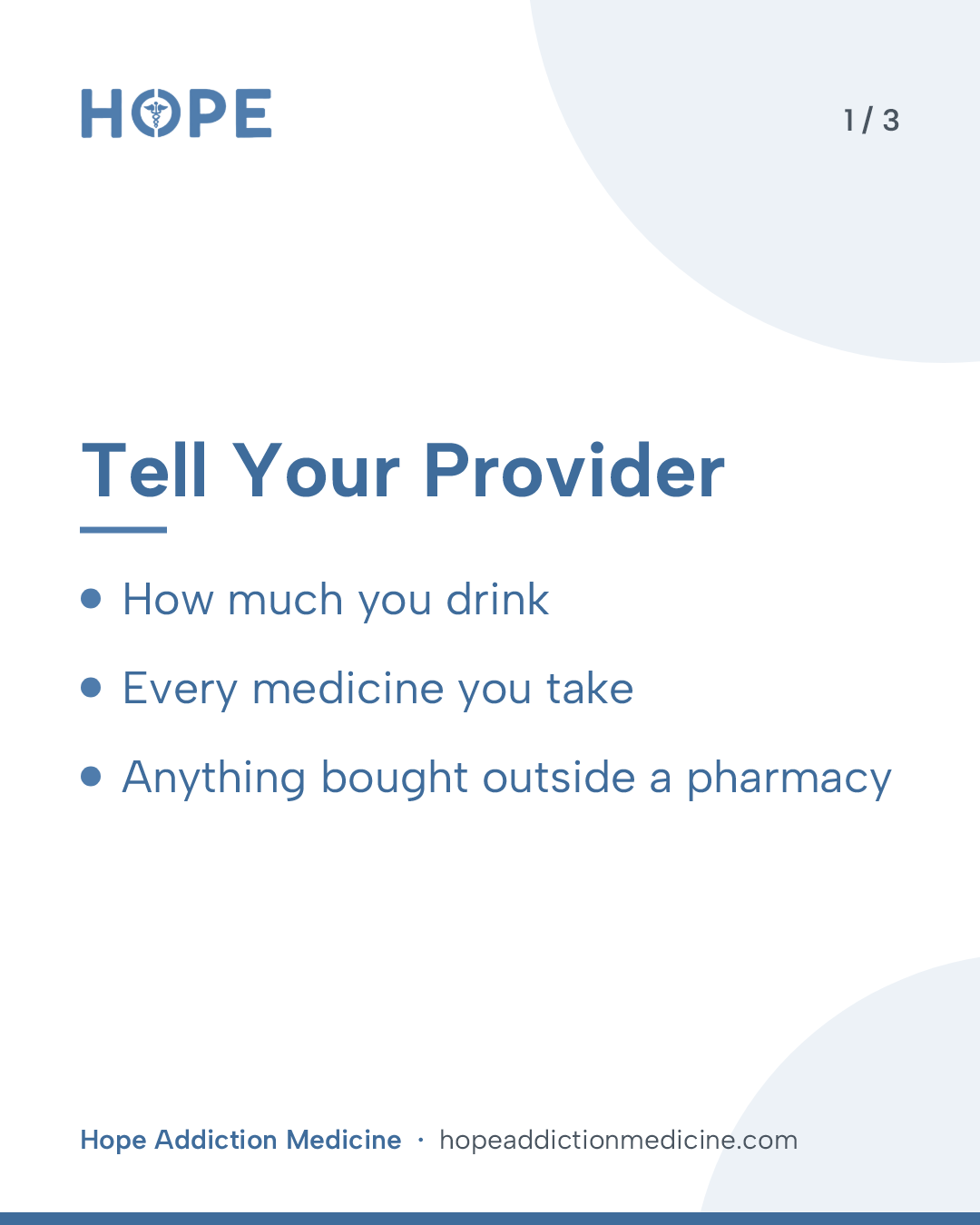
- Tell your provider how much you drink and every medicine you take, including anything bought outside a pharmacy.
- If you drink heavily every day, do not stop suddenly before talking with a medical provider. Alcohol withdrawal can cause seizures and delirium tremens, which can be fatal. Call 911 for a seizure, confusion, hallucinations, or fever with shaking and a racing heart.
- Keep naloxone at home and show the people you live with where it is.
Treatment at Hope Addiction Medicine can address opioid use and drinking in one plan. When more than one substance is involved, one approach people ask about is contingency management, in which a person earns small, real rewards for reaching goals such as staying drug-free; ask us whether we can offer it, and we will help with a referral if a dedicated program fits better.
Learn more about overdose signs and naloxone, alcohol use disorder treatment and opioid treatment in West Ashley.
Sources: CDC, Drinking Alcohol While Using Other Drugs Can Be Deadly; NIDA, Prescription Opioids DrugFacts; DailyMed, Buprenorphine and Naloxone Sublingual Film, Medication Guide.
Help at Hope Addiction Medicine
Our team combines medication with counseling and behavioral therapies, through hybrid in-person and virtual care from our West Ashley office in Charleston, with urine drug screens at a local lab and periodic vitals checks close to home. Call to ask about the next available new-patient appointment. Request an appointment or call our office.
This article is general information, not medical advice, and does not create a patient–provider relationship. Every situation is different, so see a provider who can evaluate yours and develop a plan of care. Any medication discussed here may not be right for you: the right choice depends on your diagnoses, other health conditions and current medicines, so take medication only as directed by the provider managing your care. If you are ever in doubt about an emergency, call 911 or go to the nearest emergency room. If someone may be overdosing, call 911 and give naloxone if you have it.
Frequently Asked Questions
Yes. The CDC says drinking while using opioids raises the risk of overdose and death, and that the combination can make breathing hard, which can damage the brain and other organs.
The CDC warns that drinking at the same time as, or within a few hours of, using opioids can cause serious harm. Ask your provider or pharmacist before you drink if you take any medicine.
Unusual sleepiness, confusion, trouble waking, slurred speech or slow breathing. If someone will not wake up or is breathing slowly, call 911 and give naloxone if you have it.
No. Talk with the prescriber first, because stopping on your own can bring on withdrawal. If you drink heavily every day, do not stop drinking suddenly without medical advice either.