ADHD and Recovery: What to Bring Up With Your Provider
Based on MedlinePlus, Dual Diagnosis
9 cards. Swipe or tap to see the next one.
How untreated ADHD relates to substance use, why ADHD and addiction are best treated in one plan, and how stimulant treatment is handled safely in recovery with your clinician.
Ready to Start Treatment?
Confidential, evidence-based care in West Ashley. Call to ask about the next available new-patient appointment.
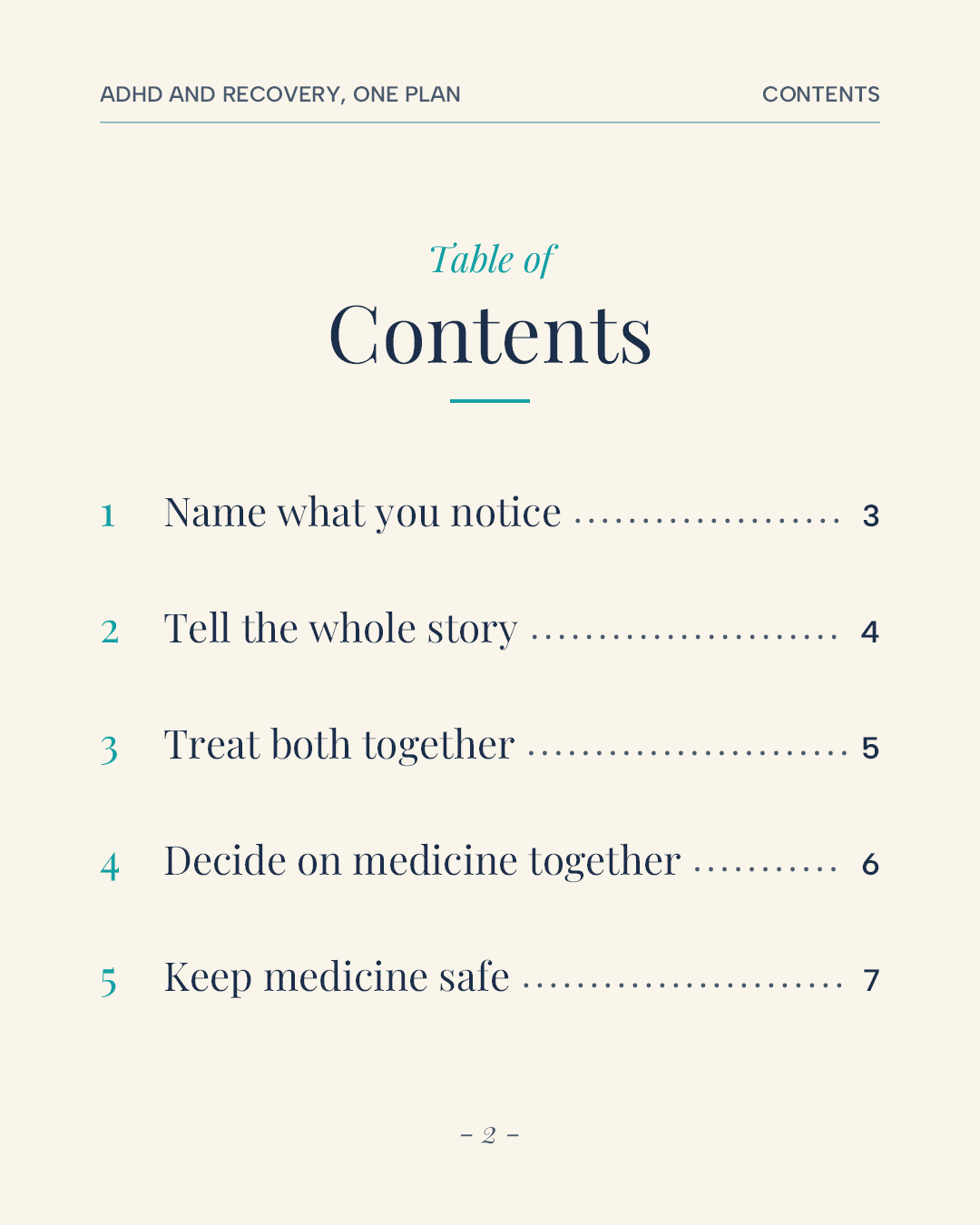
In this guide
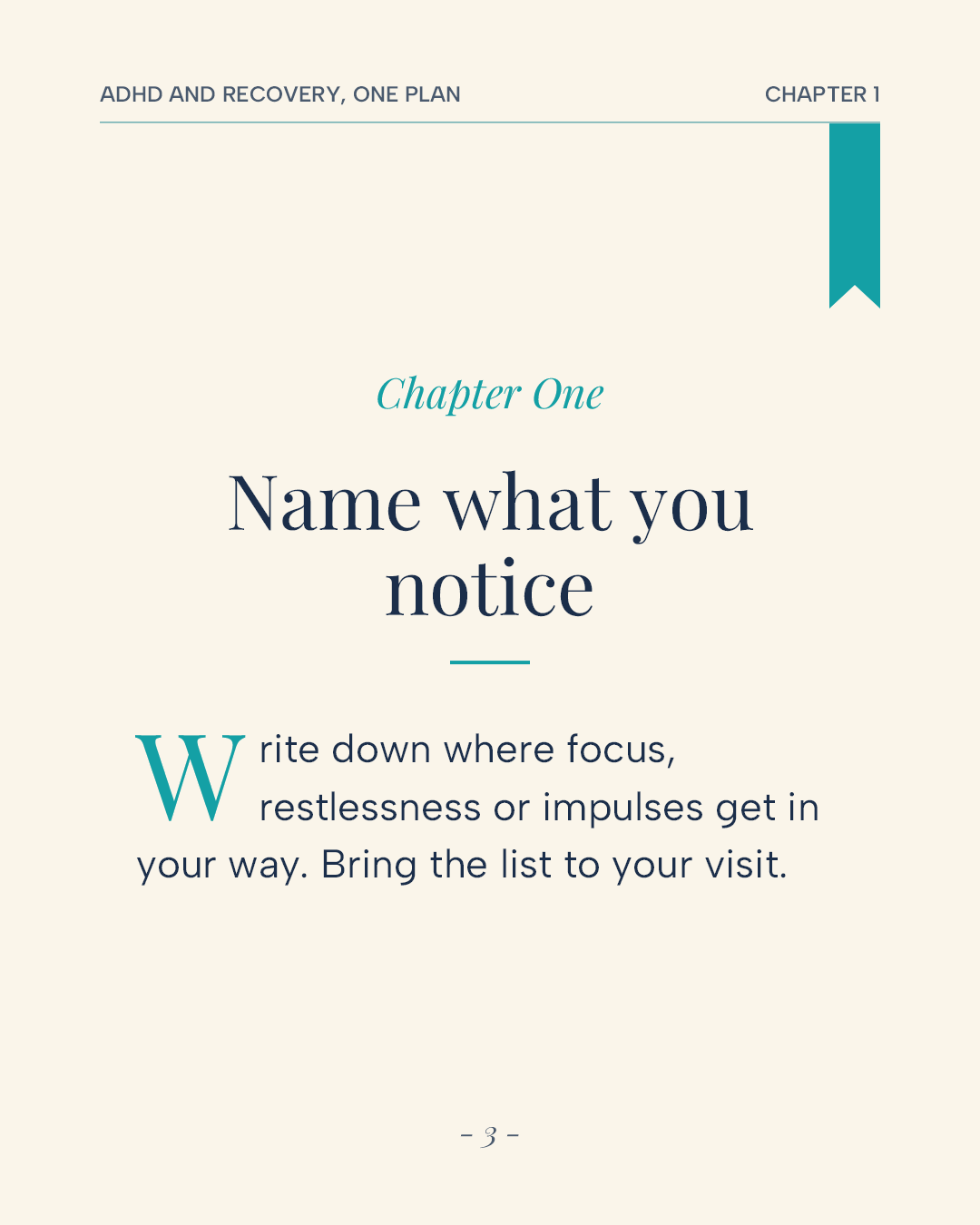
Name what you notice
- Write down where focus, restlessness or impulses get in your way. Bring the list to your visit.
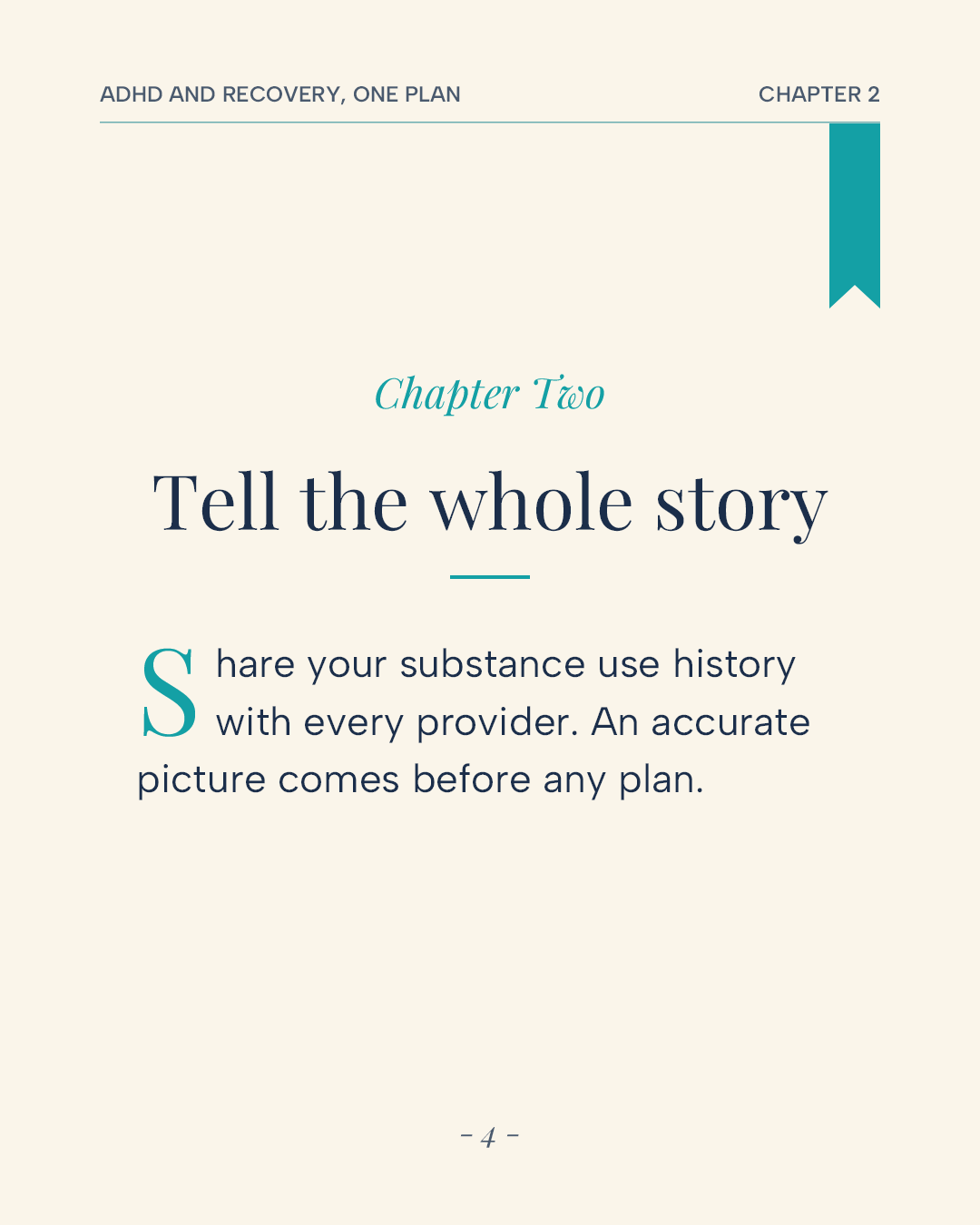
Tell the whole story
- Share your substance use history with every provider. An accurate picture comes before any plan.
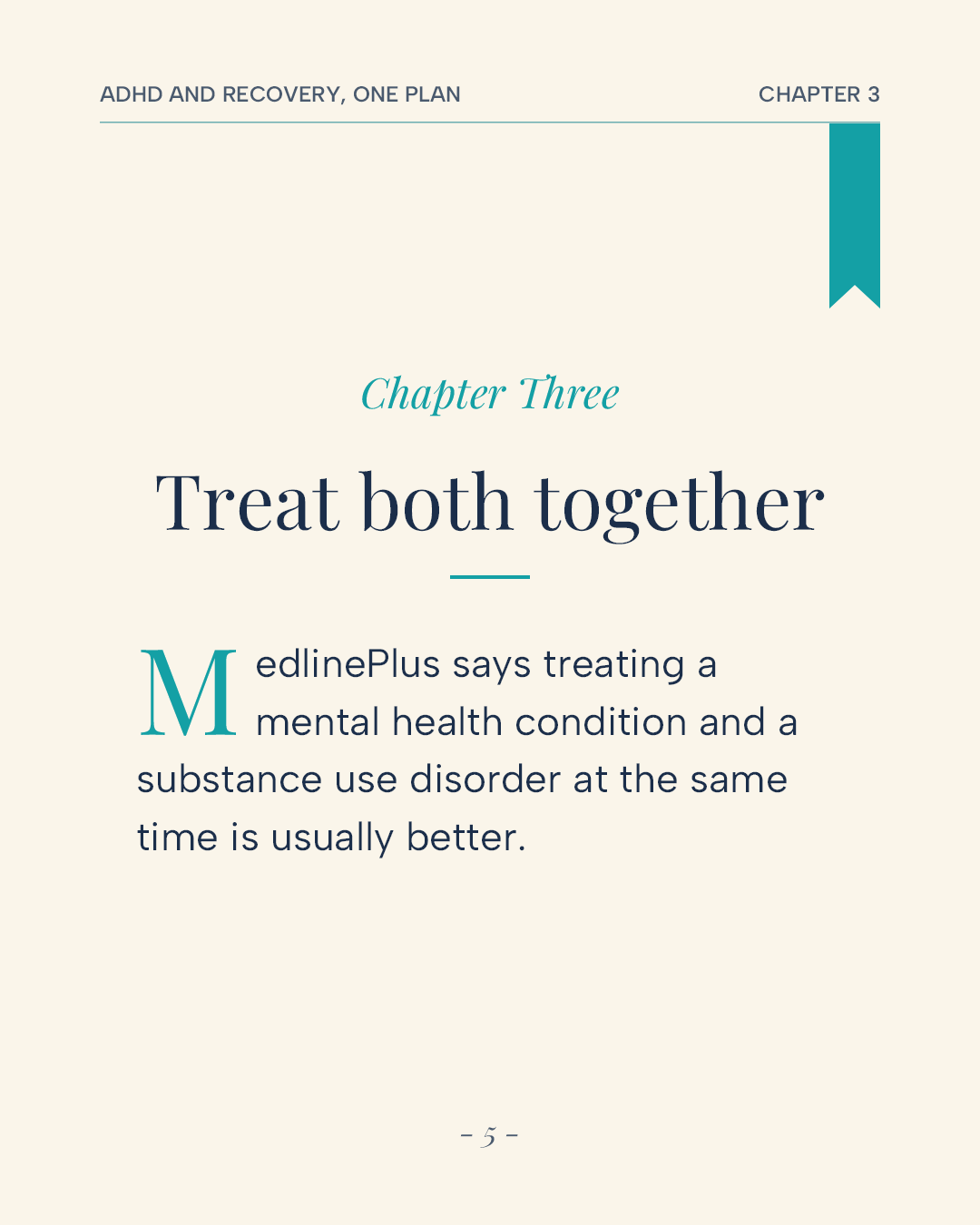
Treat both together
- MedlinePlus says treating a mental health condition and a substance use disorder at the same time is usually better.
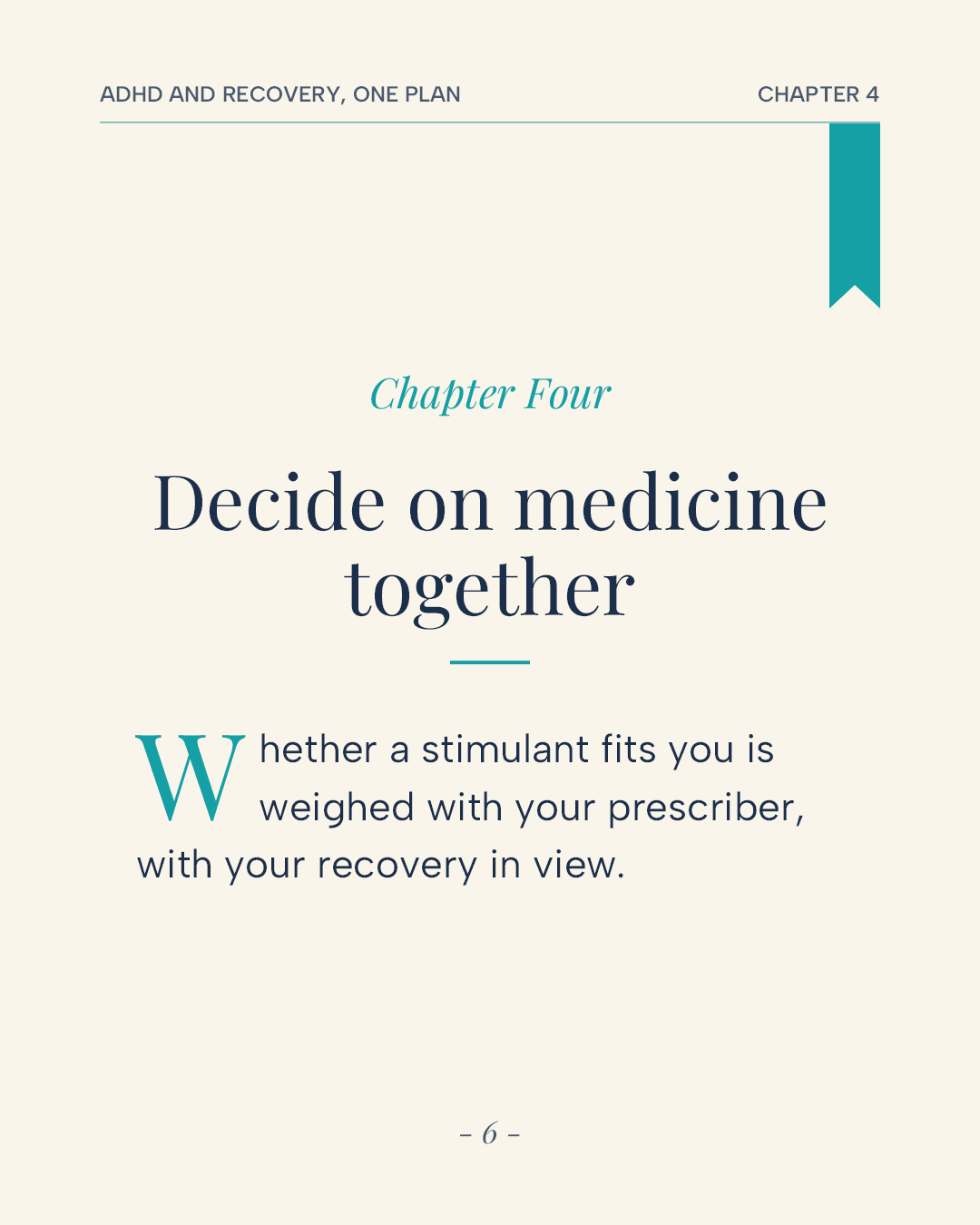
Decide on medicine together
- Whether a stimulant fits you is weighed with your prescriber, with your recovery in view.
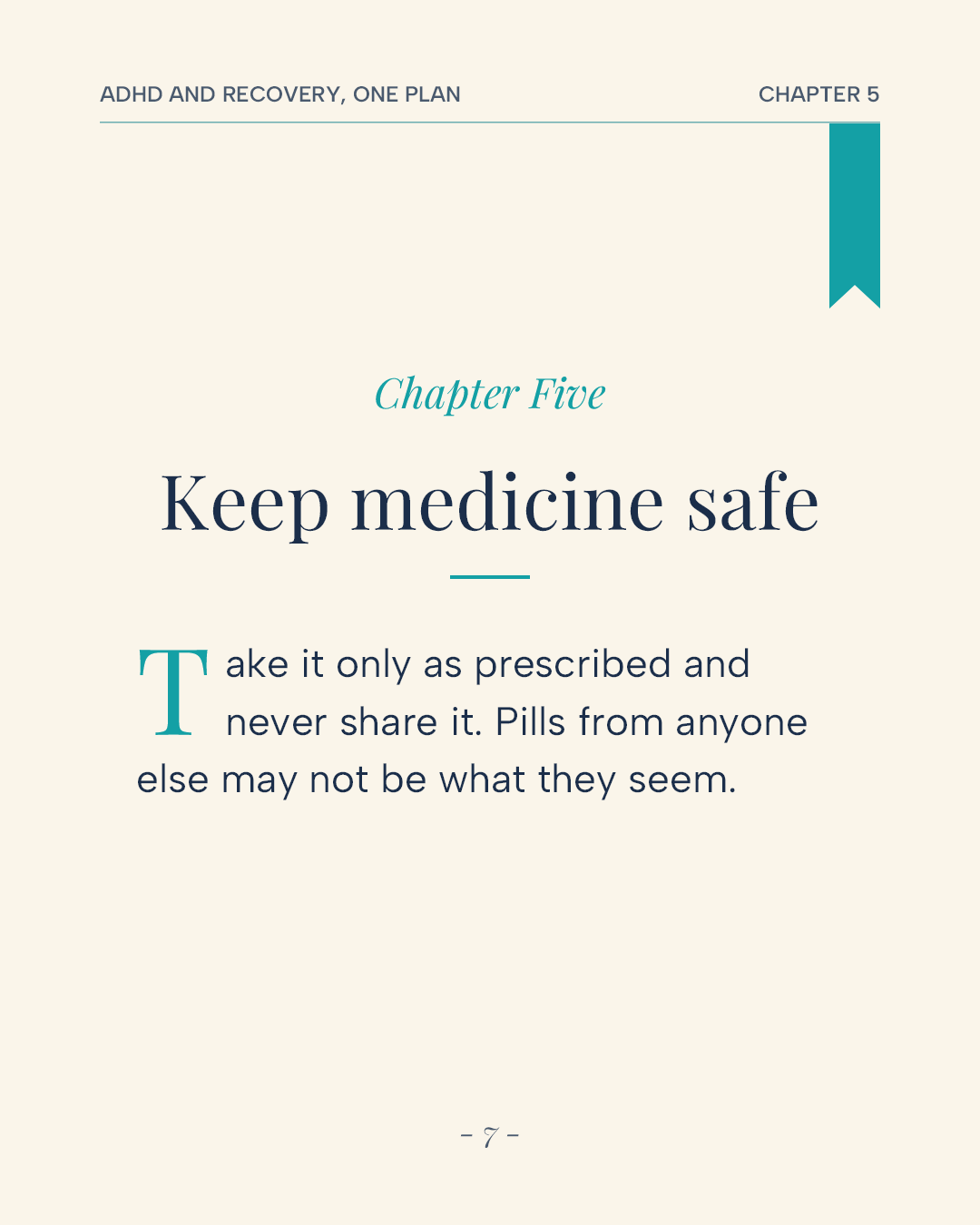
Keep medicine safe
- Take it only as prescribed and never share it. Pills from anyone else may not be what they seem.
What the guideline says
- NIMH says ADHD symptoms usually continue into adulthood, and teens and adults with ADHD are more likely to take risks such as using substances.
- MedlinePlus names untreated mental health conditions, ADHD among them, as one of the things that can raise the risk of drug addiction.
- MedlinePlus says that when a mental health condition and a substance use disorder occur together, treating both at once is usually better.
- NIMH lists medication and psychosocial treatments, such as cognitive behavioral therapy, as standard ADHD care.
- NIDA says prescription stimulants raise blood pressure and heart rate; whether one fits you is decided with your prescriber, with your recovery in view.
- Take any stimulant only as prescribed, never share it, and tell every provider about it.
Source: MedlinePlus, Dual Diagnosis
Read the full article: ADHD and Addiction: Why Treating Both Together Matters →
This guide is general health information and does not replace advice from your own provider.
Frequently Asked Questions
NIDA says some prescription ADHD medicines push up blood pressure and heart rate, and high doses can cause a dangerously high body temperature and an irregular heartbeat.
Take it only as prescribed, never share it, tell every prescriber about your substance use history and every medicine you take, and tell your provider if cravings change.
It can. The CDC warns that illegally made fentanyl turns up in pressed pills and cannot be seen, smelled or tasted.