Drinking and Blood Pressure: A Plan You Can Keep
Based on NHLBI, High Blood Pressure Treatment
9 cards. Swipe or tap to see the next one.
How heavy drinking can raise blood pressure and strain the heart, what cutting back can support, home readings, and why to get medical guidance before stopping heavy drinking.
Ready to Start Treatment?
Confidential, evidence-based care in West Ashley. Call to ask about the next available new-patient appointment.
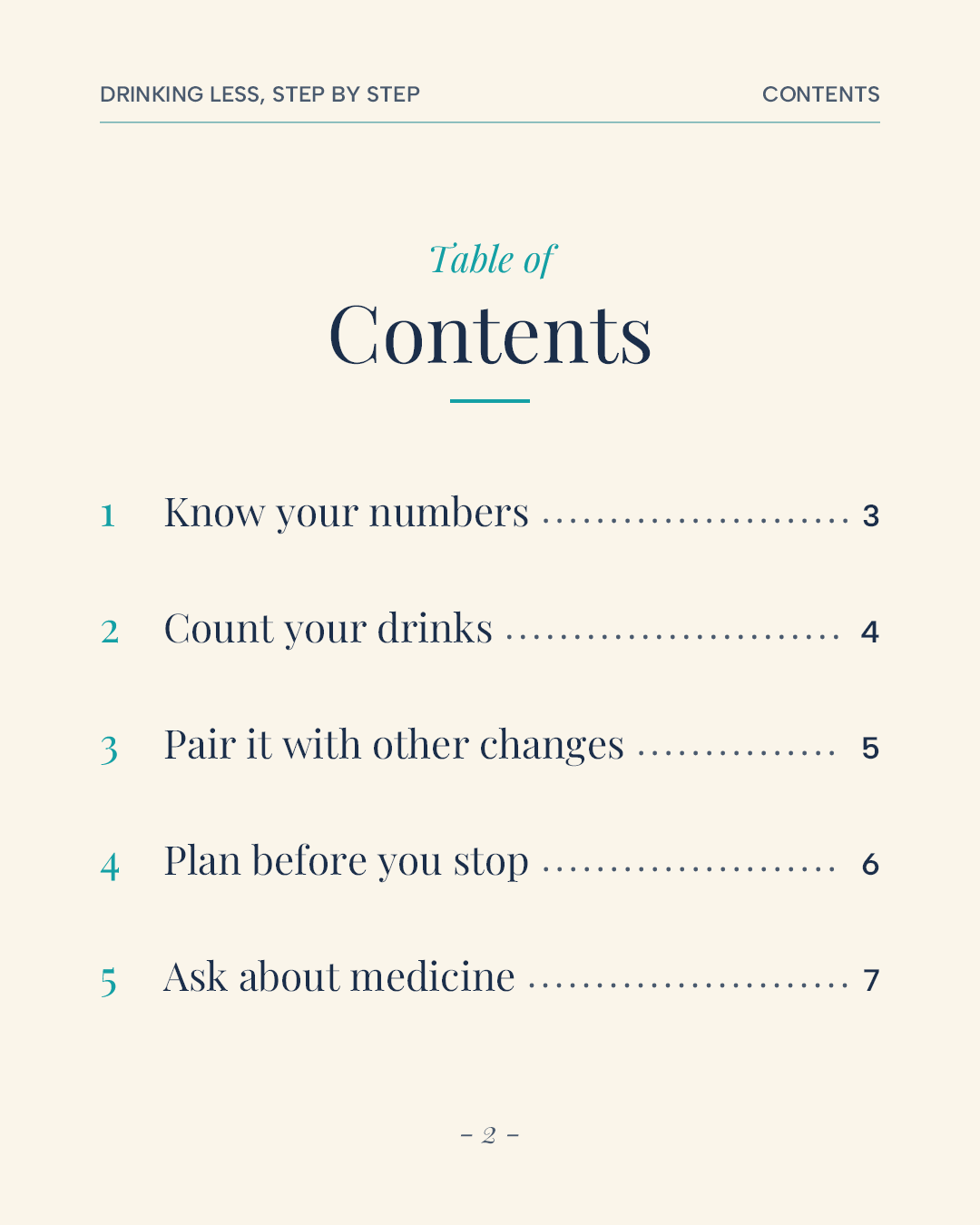
In this guide
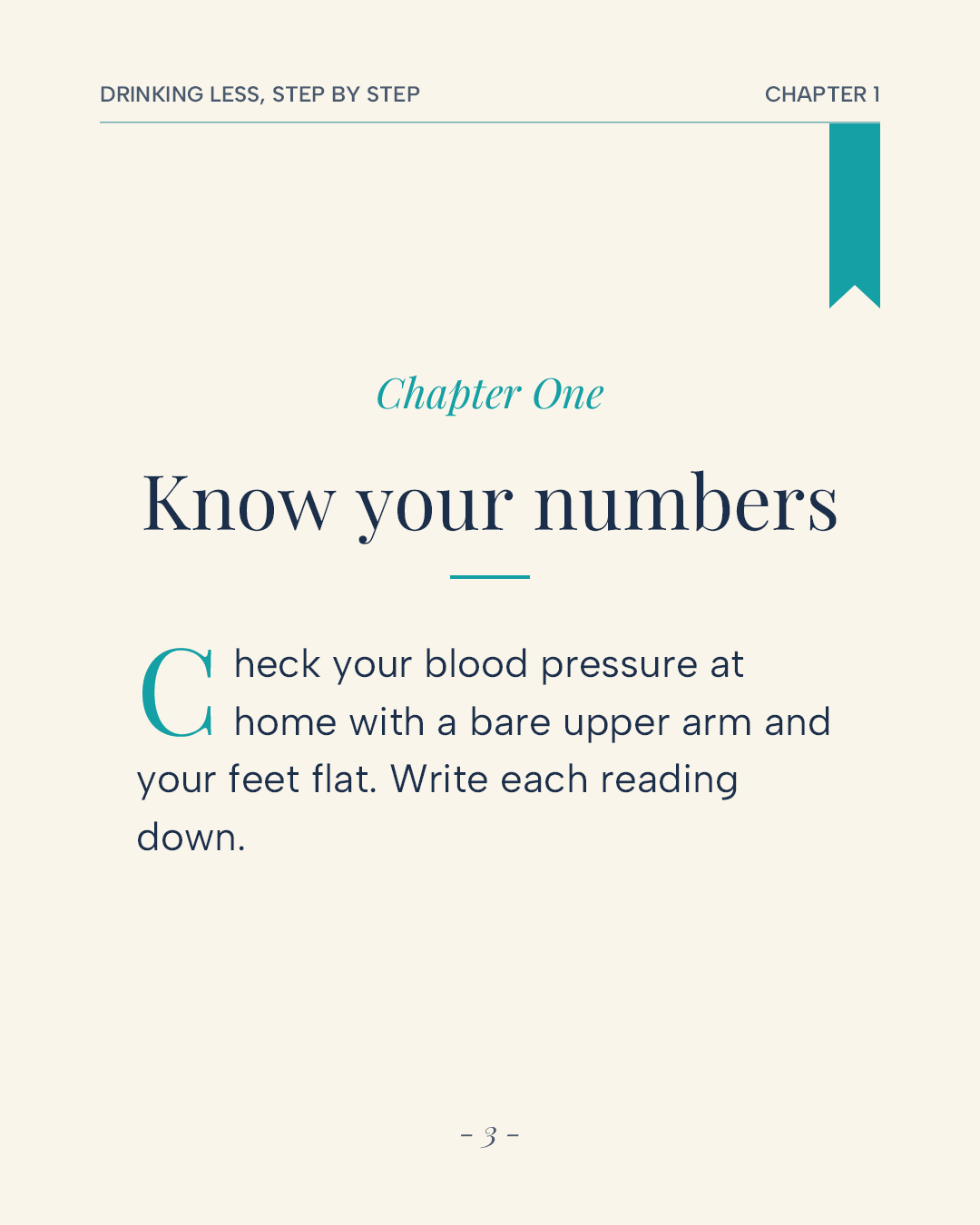
Know your numbers
- Check your blood pressure at home with a bare upper arm and your feet flat. Write each reading down.
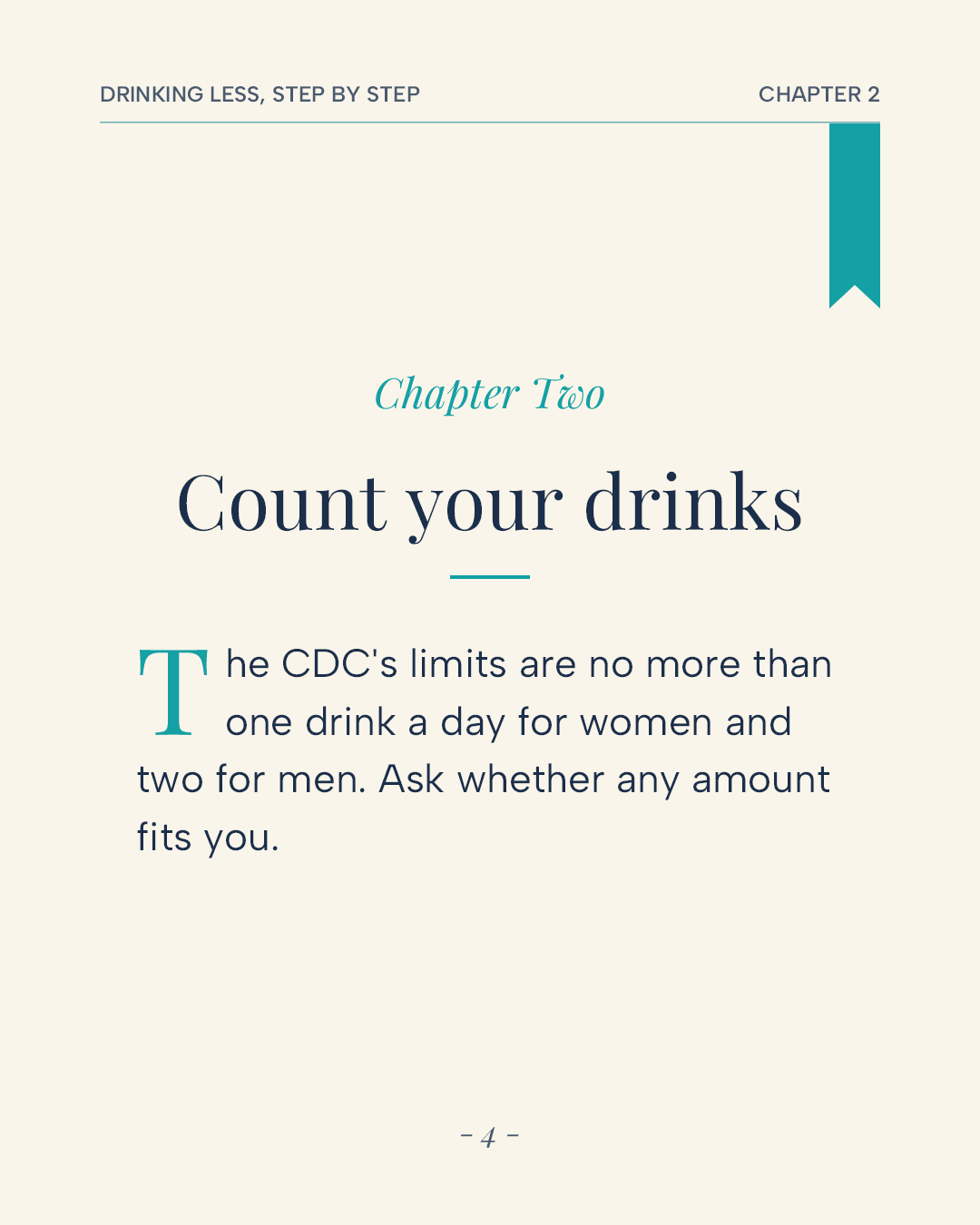
Count your drinks
- The CDC's limits are no more than one drink a day for women and two for men. Ask whether any amount fits you.
Pair it with other changes
- NHLBI pairs limiting alcohol with heart-healthy eating, activity, sleep and managing stress.
Plan before you stop
- If you drink heavily every day, talk with a medical provider first. Withdrawal can cause seizures.
Ask about medicine
- There are FDA-approved medicines for alcohol use disorder. NIAAA says the approved ones are not addictive.
What the guideline says
- The CDC counts drinking too much alcohol among the things that can raise blood pressure.
- NIAAA says long-term heavy drinking weakens the heart muscle, a condition called cardiomyopathy.
- NHLBI includes limiting or avoiding alcohol in its list of lifestyle changes that lower blood pressure.
- Stopping heavy drinking all at once can push heart rate and blood pressure up as the body readjusts.
- If you drink heavily every day, do not stop suddenly before talking with a medical provider; alcohol withdrawal can cause seizures and delirium tremens.
- MedlinePlus lists naltrexone, acamprosate and disulfiram as medicines for alcohol use disorder.
Source: NHLBI, High Blood Pressure Treatment
This guide is general health information and does not replace advice from your own provider.
Frequently Asked Questions
Stopping heavy drinking all at once can push heart rate and blood pressure up, and alcohol withdrawal can cause seizures and delirium tremens, which can be fatal. Talk with a medical provider first.
Call 911 for chest pain, fainting, sudden weakness on one side, trouble speaking, confusion, hallucinations or a seizure.
MedlinePlus lists three approved medicines for alcohol use disorder, and NIAAA says the approved medicines are not addictive.