
Does alcohol raise blood pressure? For heavy drinkers, it can. Between oyster roasts, tailgates and holiday parties, drinks come easily in Charleston, and a high reading at a checkup is often the first sign that they are adding up. Here is what federal health agencies say about heavy drinking and blood pressure, what cutting back can support, and why a medical plan matters before you stop drinking heavily.
How heavy drinking affects blood pressure and the heart
The CDC counts drinking too much alcohol among the things that can raise blood pressure, and high blood pressure is one of the leading risks for stroke. The National Institute on Alcohol Abuse and Alcoholism (NIAAA) adds that long-term heavy drinking weakens the heart muscle, a condition called cardiomyopathy.
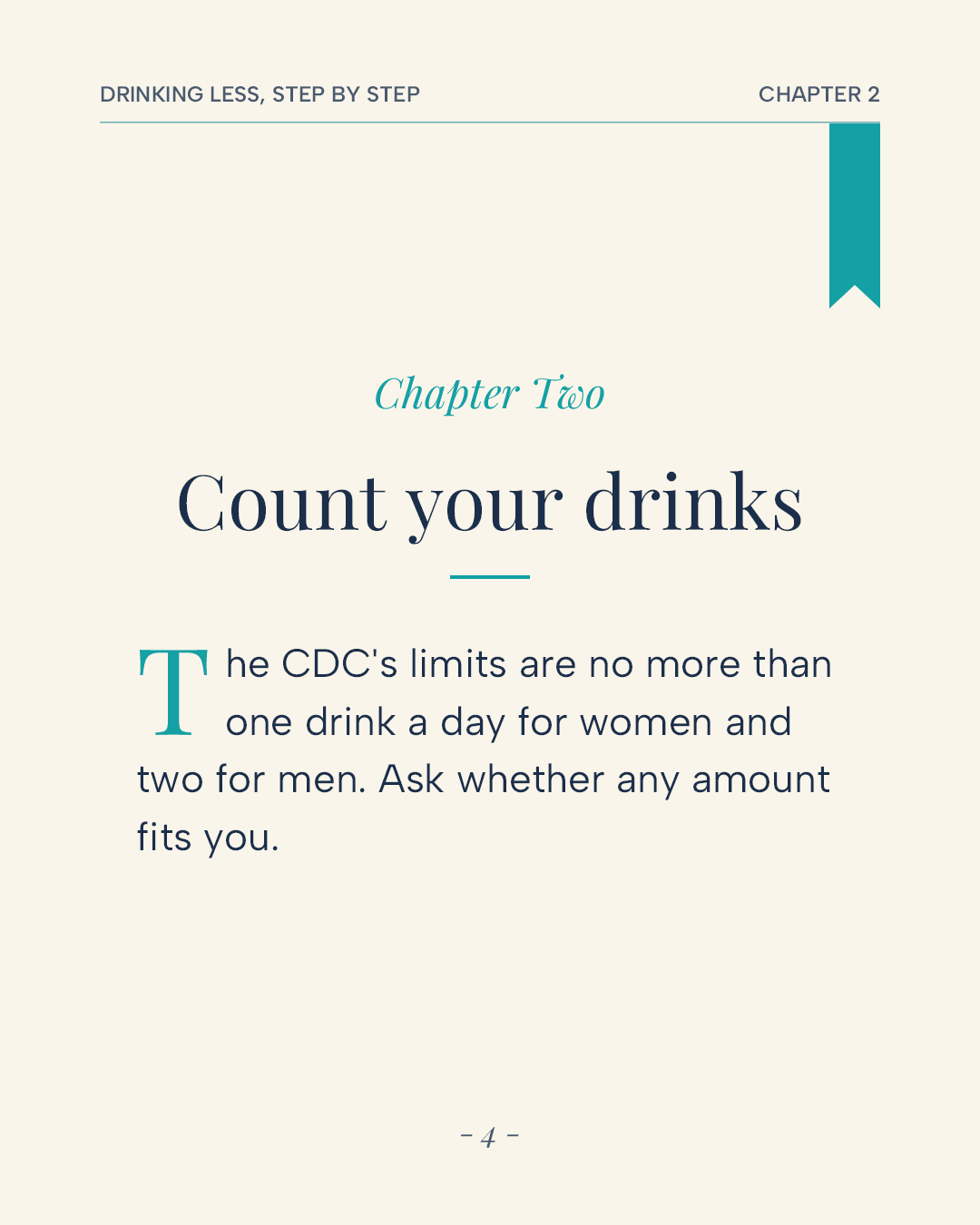
For people who drink, the CDC's limits are no more than one drink a day for women and two for men. If you have high blood pressure, ask the provider who treats it whether any amount is right for you.
Not sure whether your drinking has crossed a line? Read the signs of alcohol use disorder, or request an appointment to talk it over with a provider.
What cutting back can support
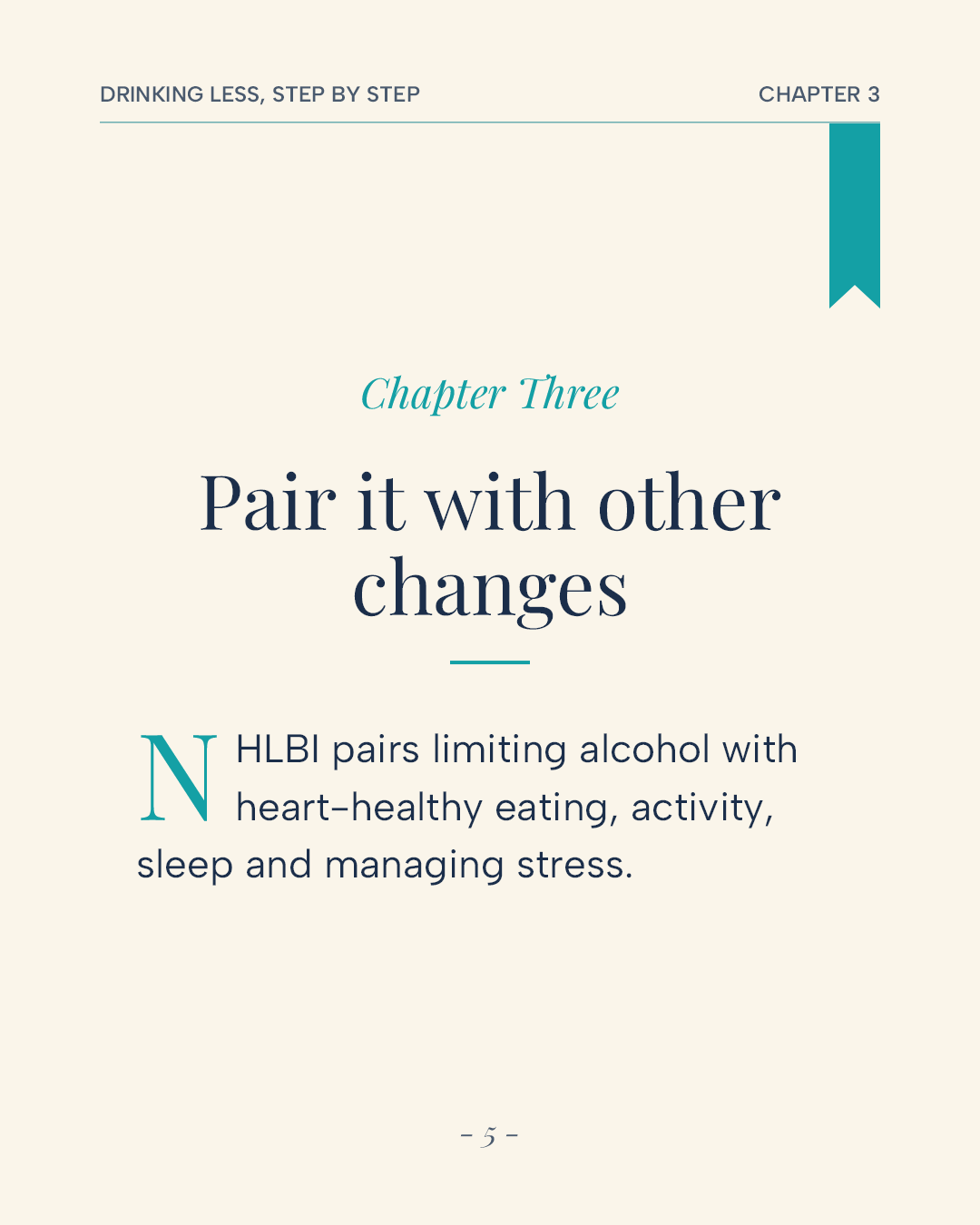
The National Heart, Lung, and Blood Institute (NHLBI) includes limiting alcohol, or avoiding it, in its list of lifestyle changes that lower blood pressure. Drinking less can support healthier numbers alongside the other changes on that list:
- Heart-healthy eating, such as the DASH eating plan
- Regular physical activity and a healthy weight
- Enough sleep and ways to manage stress
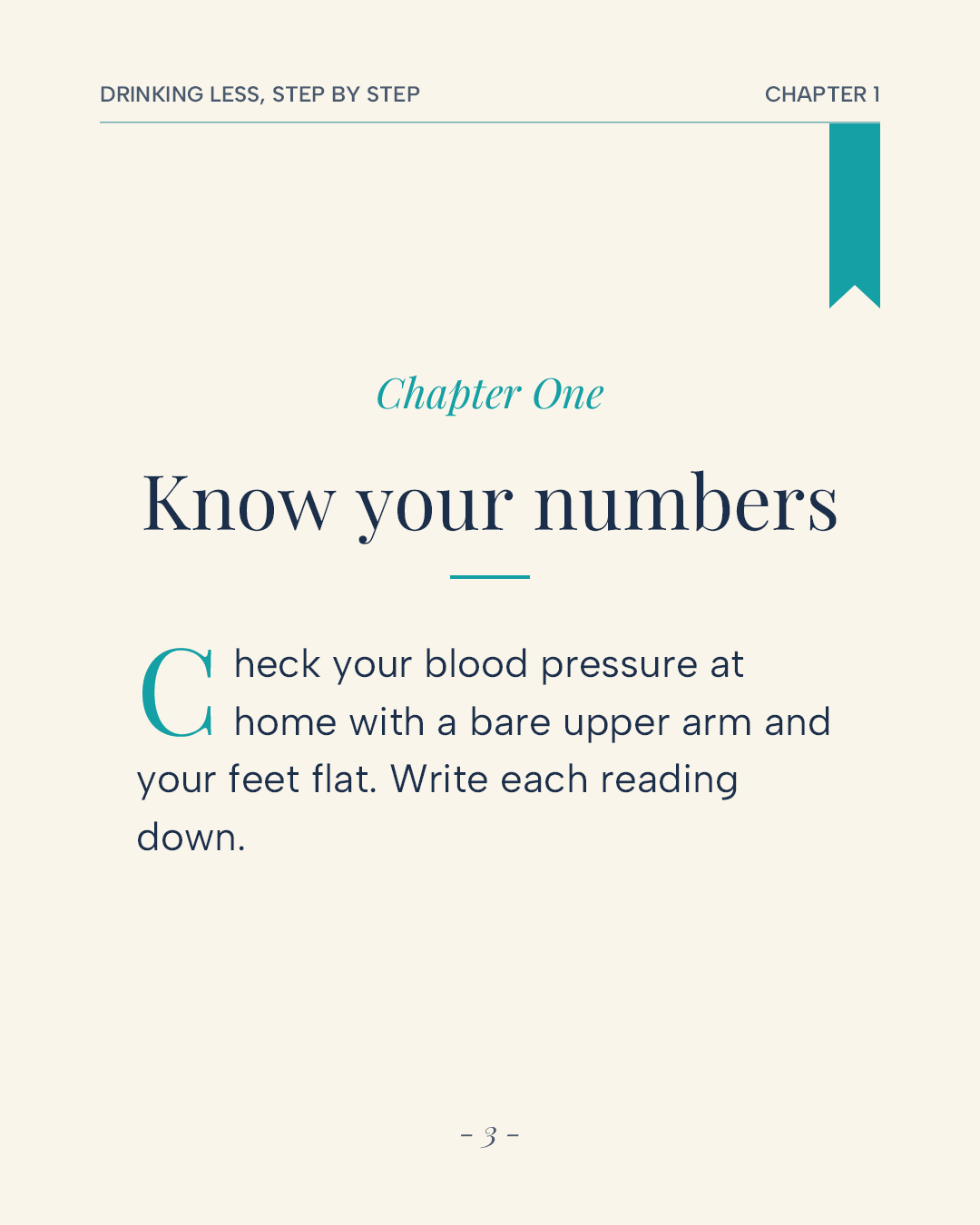
A home cuff can show how your readings change. The CDC suggests a bare upper arm, both feet flat with legs uncrossed, and your arm resting on a table at about heart level. Write the numbers down and bring them to the provider who manages your blood pressure.
Why to get medical guidance before you stop heavy drinking
Stopping heavy drinking all at once can push heart rate and blood pressure up as the body readjusts. Read what withdrawal does to your heart and blood pressure.
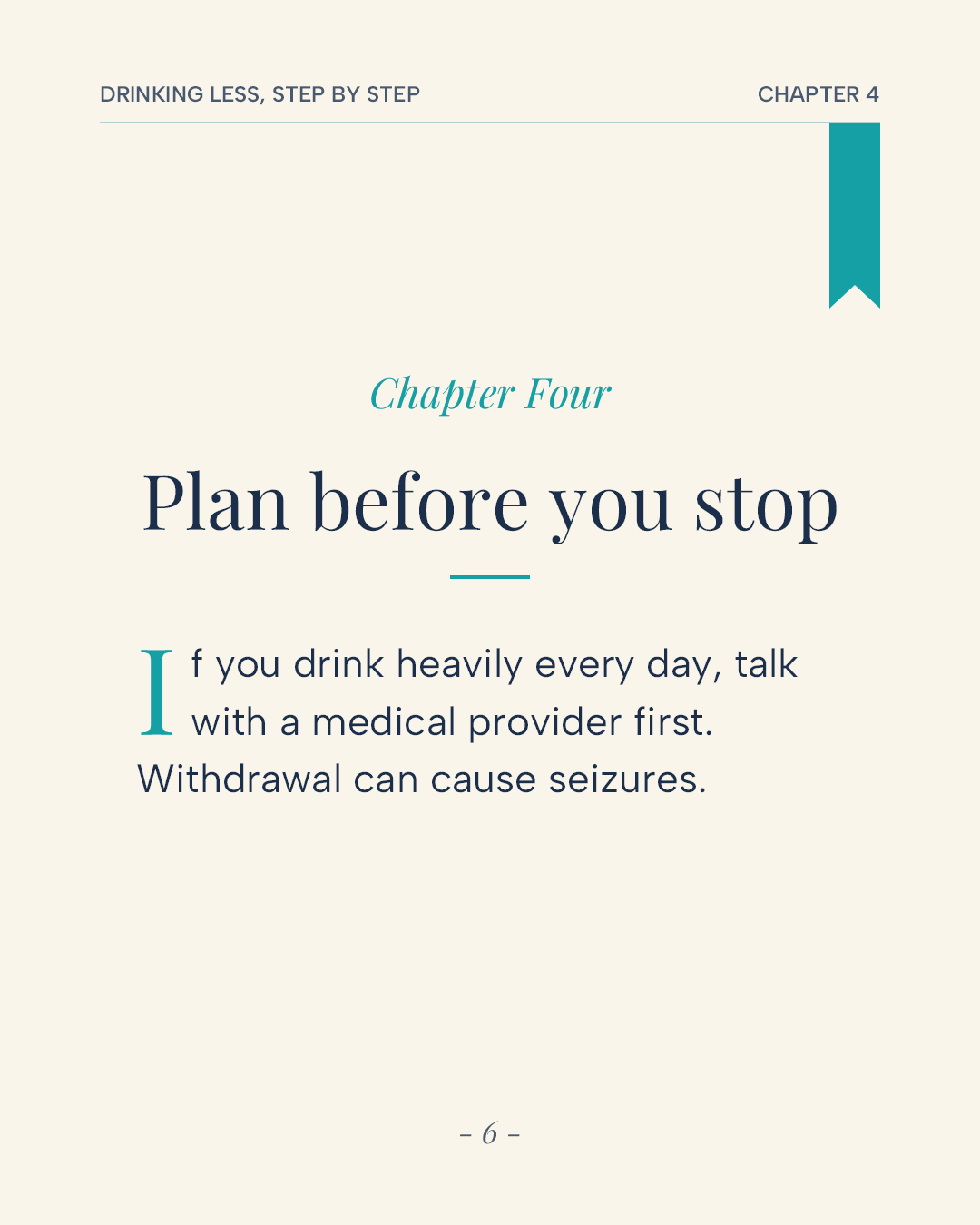
If you drink heavily every day, do not stop suddenly before talking with a medical provider. Alcohol withdrawal can cause seizures and delirium tremens, which can be fatal. Call 911 for a seizure, confusion, hallucinations, or fever with shaking and a racing heart.
We do not provide detox. If you need medically supervised withdrawal first, we will help you find it and can plan outpatient care for afterward. Read when alcohol withdrawal at home is not safe.
Drink heavily and want to stop? Call us before you cut back, or request an appointment so a provider can plan it with you.
Ready to Start Treatment?
Confidential, evidence-based care in West Ashley. Call to ask about the next available new-patient appointment.
9 cards. Swipe or tap to see the next one.
Medicine and counseling for drinking
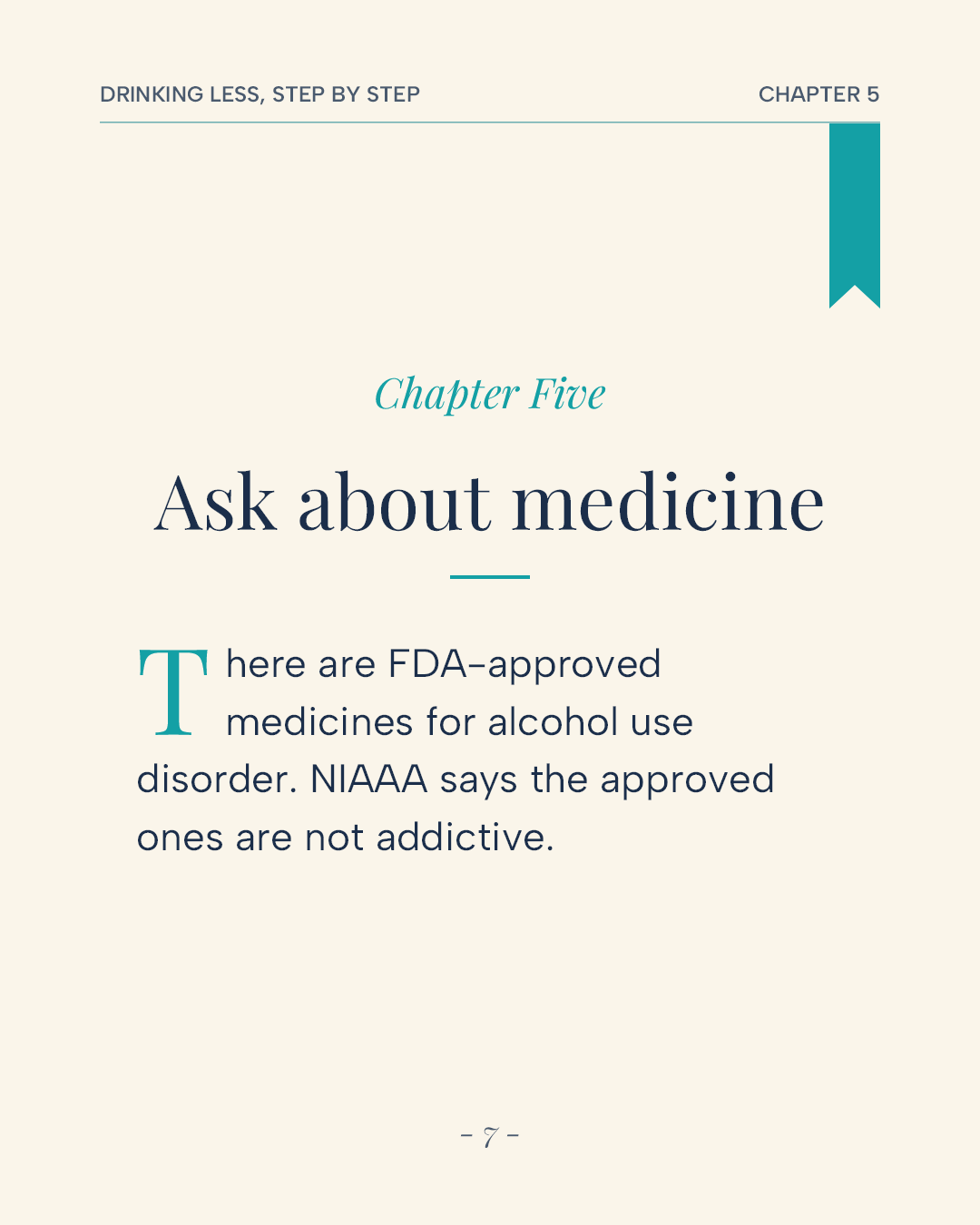
MedlinePlus lists three medicines for alcohol use disorder: naltrexone, acamprosate and disulfiram. NIAAA says the approved medicines can help people cut back or stop, and that they are not addictive. Read how to take naltrexone for alcohol and how the monthly Vivitrol shot works.
Naltrexone cannot be taken with any opioid, including opioid pain medicines, buprenorphine or methadone; it causes sudden withdrawal and blocks opioid pain relief in an emergency.
When blood pressure is the reason you want to drink less, motivational interviewing can help you weigh that reason against the pull of habit; ask us when you call what we can offer, and we will help with a referral if another program suits you better.
Other medicines and alcohol
Bring a full list of what you take, blood pressure medicine included, to every visit. If you take buprenorphine or an opioid pain medicine, alcohol is not safe with it. Read why alcohol with opioids is so dangerous.
When to call 911
Call 911 for chest pain, fainting, sudden weakness on one side of the body, trouble speaking, confusion or a seizure. Our office is not an emergency service, so for any emergency call 911 or go to the nearest emergency room. If you are thinking about suicide, call or text 988.
Learn more about alcohol use disorder treatment in West Ashley and alcohol treatment in Charleston.
Sources: CDC, Stroke Risk Factors; NIAAA, Alcohol's Effects on the Body; NHLBI, High Blood Pressure Treatment; CDC, Measuring Your Blood Pressure; MedlinePlus, Alcohol Use Disorder (AUD) Treatment; NIAAA, Understanding Alcohol Use Disorder.
Help at Hope Addiction Medicine
Our team combines medication with counseling and behavioral therapies, through hybrid in-person and virtual care from our West Ashley office in Charleston, with urine drug screens at a local lab and periodic vitals checks close to home. Call to ask about the next available new-patient appointment. Request an appointment or call our office.
This article is general information, not medical advice, and does not create a patient–provider relationship. Every situation is different, so see a provider who can evaluate yours and develop a plan of care. Any medication discussed here may not be right for you: the right choice depends on your diagnoses, other health conditions and current medicines, so take medication only as directed by the provider managing your care. If you are ever in doubt about an emergency, call 911 or go to the nearest emergency room. If someone may be overdosing, call 911 and give naloxone if you have it.
Frequently Asked Questions
Drinking too much can. The CDC counts drinking too much alcohol among the things that raise blood pressure, and NIAAA says long-term heavy drinking weakens the heart muscle.
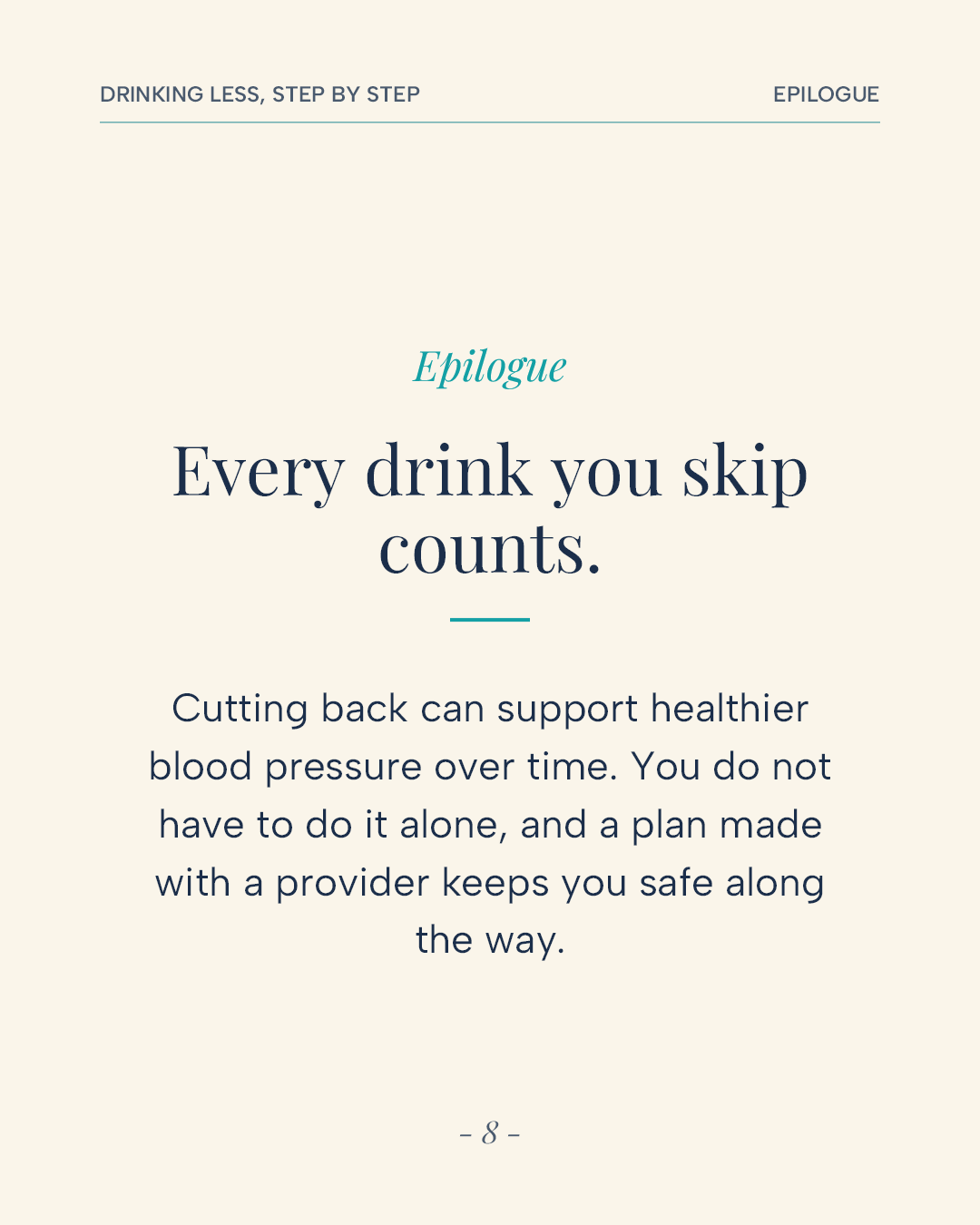
Cutting back can support healthier numbers. NHLBI lists limiting or avoiding alcohol among the lifestyle changes that lower blood pressure. Track home readings and share them with the provider who treats your blood pressure.
Not if you drink heavily every day. Talk with a medical provider first, because alcohol withdrawal can cause seizures and delirium tremens, which can be fatal. Call 911 for a seizure, confusion or hallucinations.
The CDC's limits for people who drink are no more than one drink a day for women and two for men. If you have high blood pressure, ask your provider whether any amount is right for you.
Yes. Stopping heavy drinking all at once can push heart rate and blood pressure up as the body readjusts, which is one reason to plan the stop with a provider.